

Baza population lives in grass-thatched housing in their home country. Unfortunately, this type of housing environment becomes untenable and poses significant health hazards. The vulnerability of the Baza population increases due to the various risks associated with this type of living arrangement.
Firstly, the hazardous environment created by grass-thatched housing exposes the Baza population to potential dangers. These homes are prone to leaks during heavy rain, which can lead to water damage and structural instability. Additionally, the walls made of grass can easily catch fire, putting the residents at risk of accidents and property loss.
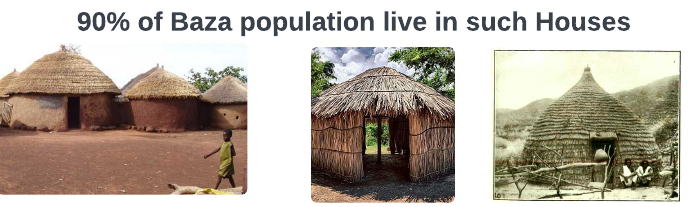
Moreover, living in such housing greatly undermines the health of the Baza population. The grass-thatched roofs have poor insulation and ventilation, leading to issues like mold growth, poor air quality, and high humidity levels. These conditions can contribute to respiratory problems such as allergies, asthma, or even respiratory infections.
Apart from the housing quality itself, the Baza population faces other health hazards. The lack of proper sanitation facilities and access to clean water puts them at risk of waterborne diseases. Inadequate waste management practices in the community can also lead to the spread of infectious diseases.
Furthermore, the risks extend beyond the physical environment. The Baza population is often situated in areas prone to weather calamities such as floods, landslides, or storms. These natural disasters can result in loss of property and even loss of life. In addition to that, the security threats faced by the population can further exacerbate their vulnerability, making it harder to ensure their safety and well-being.
It is essential to address the challenges faced by the Baza population living in grass-thatched housing. Providing safer and more suitable housing options with proper infrastructure, sanitation facilities, and access to clean water is crucial. Furthermore, measures must be taken to improve disaster preparedness and ensure the security of the community.
By prioritizing the improvement of living conditions and addressing the associated health hazards, we can work towards enhancing the overall well-being and quality of life for the Baza population. It is important to provide them with the necessary support and resources to overcome these challenges and create a safer and healthier living environment for everyone.
Thatched housing, while traditionally charming and historically significant, lacks the durability and resilience required to protect individuals from the harsh realities of the natural elements. Heavy rains, strong winds, and extreme temperatures can easily penetrate the thatched roofs, leaving the inhabitants exposed and defenseless against the unforgiving forces of nature.
Furthermore, the unsteady structure of thatched housing leaves the Baza population susceptible to various health risks. Moisture seeping through the roofs can lead to the growth of mold and mildew, resulting in respiratory issues and allergies. Additionally, the lack of proper insulation makes it difficult to maintain a comfortable temperature, exacerbating the spread of diseases.
In addition to the physical challenges, living in thatched housing also exposes the Baza population to security threats. The vulnerability of these homes makes them an easy target for burglaries and other forms of criminal activities. The lack of sturdy walls and reliable security measures puts both property and personal safety at risk.
Given these circumstances, it is crucial for the BAZADA to prioritize the improvement of housing conditions. By transitioning to more robust and resilient structures, they can better protect themselves from the adverse effects of weather calamities, reduce the prevalence of diseases, and enhance their overall security. This transition would not only ensure a healthier and safer living environment but also foster a greater sense of stability and well-being within the community.
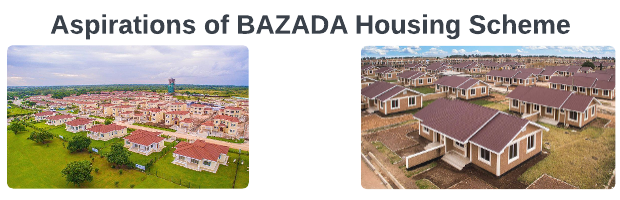
Affordable Housing & Property Development program of BAZADA plays a crucial role in addressing these pressing issues of housing accessibility for individuals and families with lower income levels. This comprehensive process encompasses the development, construction, and management of housing projects with the primary objective of providing affordable and suitable housing options for low and moderate-income households.
By focusing on the creation of affordable housing options, BAZADA seeks to bridge the gap between limited financial resources and the basic necessity of a shelter. The significance of affordable housing cannot be understated, as it directly impacts the overall well-being and quality of life of individuals and families in need.
BAZADA’s goal of affordable housing and property development is to ensure that individuals and families in the Baza communities have access to safe, decent, and affordable housing options, thereby improving their overall quality of life